Origins date back to the time Columbus discovered the "New World" Traditionally used as filler and binder plant Grown under direct sunlight to amplify the variety and intensity of flavors For generations, the Criollo plant produced 4 of the 5 leaves in a "Havana" cigar Corojo wrapper leaves are the 5th Produces 6 to 7 pairs of leaves Ligero: leaves at the top of the plant are the strongest and fuller flavored, due to direct sunlight (Heavier Sun = Heavier Tobacco) Leaves toward the bottom of the plant are more subtle in flavor and strength Seco: used as filler Capote: used for binder Volado: used as filler Outside of Cuba [and the Criollo Varietal], tobacco plant leaves are generally classified, from top to bottom, as: CORONA - LIGERO - VISO - SECO - VOLADO COROJO Developed in 1930s by Diego Rodriguez Derived from the Criollo seed through selective breeding Named after its birthplace, the farm Santa Ines del Corojo in the Vuelta Abajo region Premiere wrapper for Cuban Cigars until 1990s Primarily grown under shade for wrappers Weakness: still susceptible to Blue-Mold, Black Shank, and other Tobacco ravaging diseases Produces 8 to 9 pairs of leaves Praised for its dark brown (colorado) color, uniformity, thin veins GENERAL In General, outside of Cuba, these plant classifications apply

Embroidery Instant download
The inspection team said that it had received self-reflections from some leading cadres, which had been transferred to the CCDI
Limitations This article has been written for educational purposes and does not claim to be a full and comprehensive review of evidence, but summarizes key studies and reviews according to the author's judgement
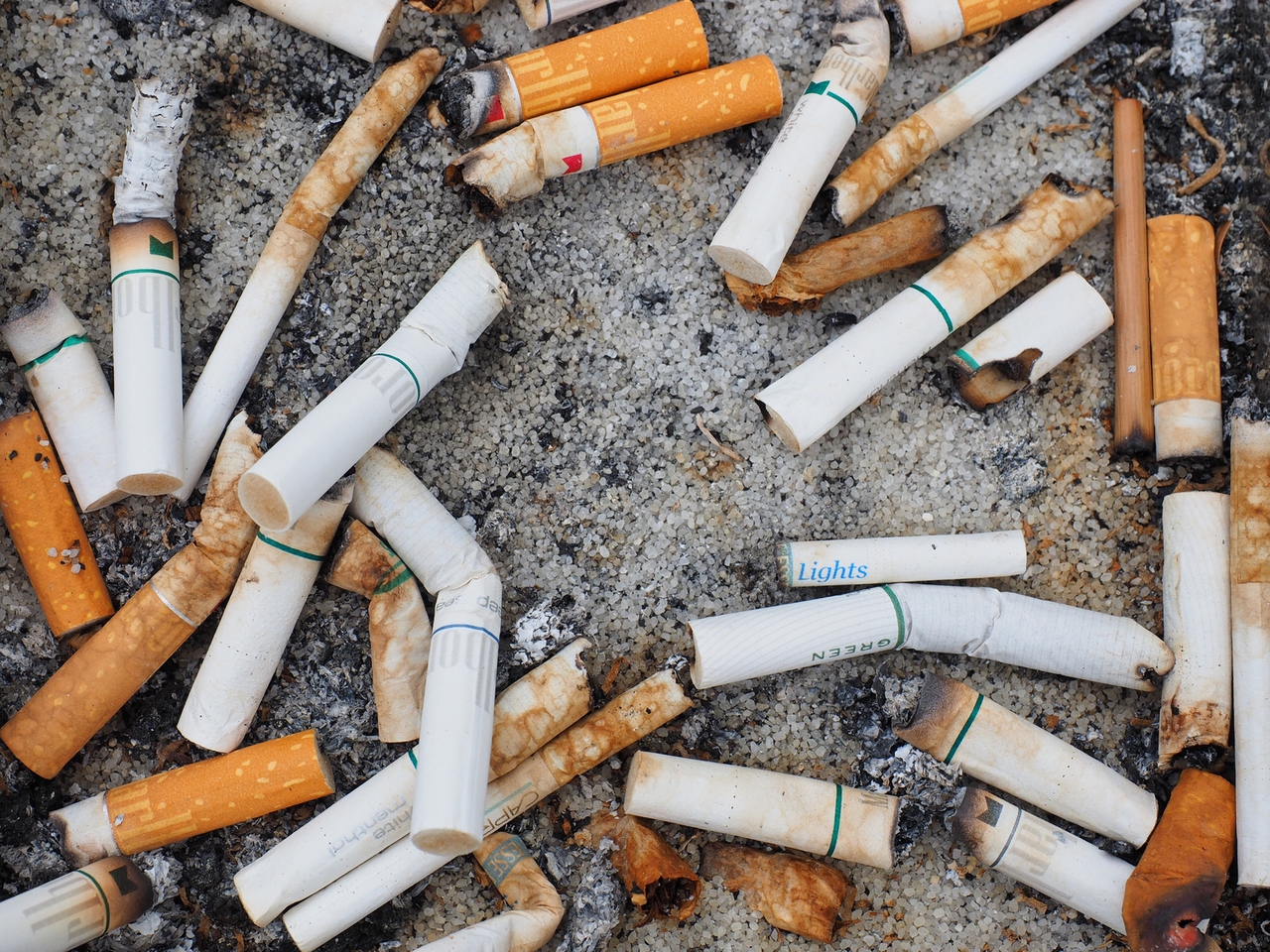
Smoking can take a toll on your life, health and finances