Certain factors can increase your risk of developing a UTI: Being female (due to a shorter urethra) Having a history of UTIs Certain medical conditions (diabetes, multiple sclerosis, Parkinson's disease, spinal cord injuries) Menopause Being overweight Blockages in the urinary tract (tumors, kidney stones, enlarged prostate) Using a diaphragm or spermicide for birth control Having a catheter For men: having sex with men, having HIV, or being uncircumcised Common symptoms of a UTI include: A strong, persistent urge to urinate A burning sensation when urinating Passing frequent, small amounts of urine Cloudy, dark, or strange-smelling urine Pelvic pain (in women) Rectal pain (in men) If the infection has spread to the kidneys, you may also experience: Fever and chills Nausea and vomiting Upper back and side pain Most UTIs can be treated with antibiotics
IGF1 LR3s molecular weight of about 9,200 Daltons (specifically 9117.60 g/mol) and its specific amino acid sequence make it suitable for many research methodologies
The difference between following generic guidelines and following a personalized, evidence-based protocol is often the difference between adequate results and exceptional ones
E.DavisB
Know the TSA rule TSA allows injectable medication, syringes, and needles in carry-on bags for medical use

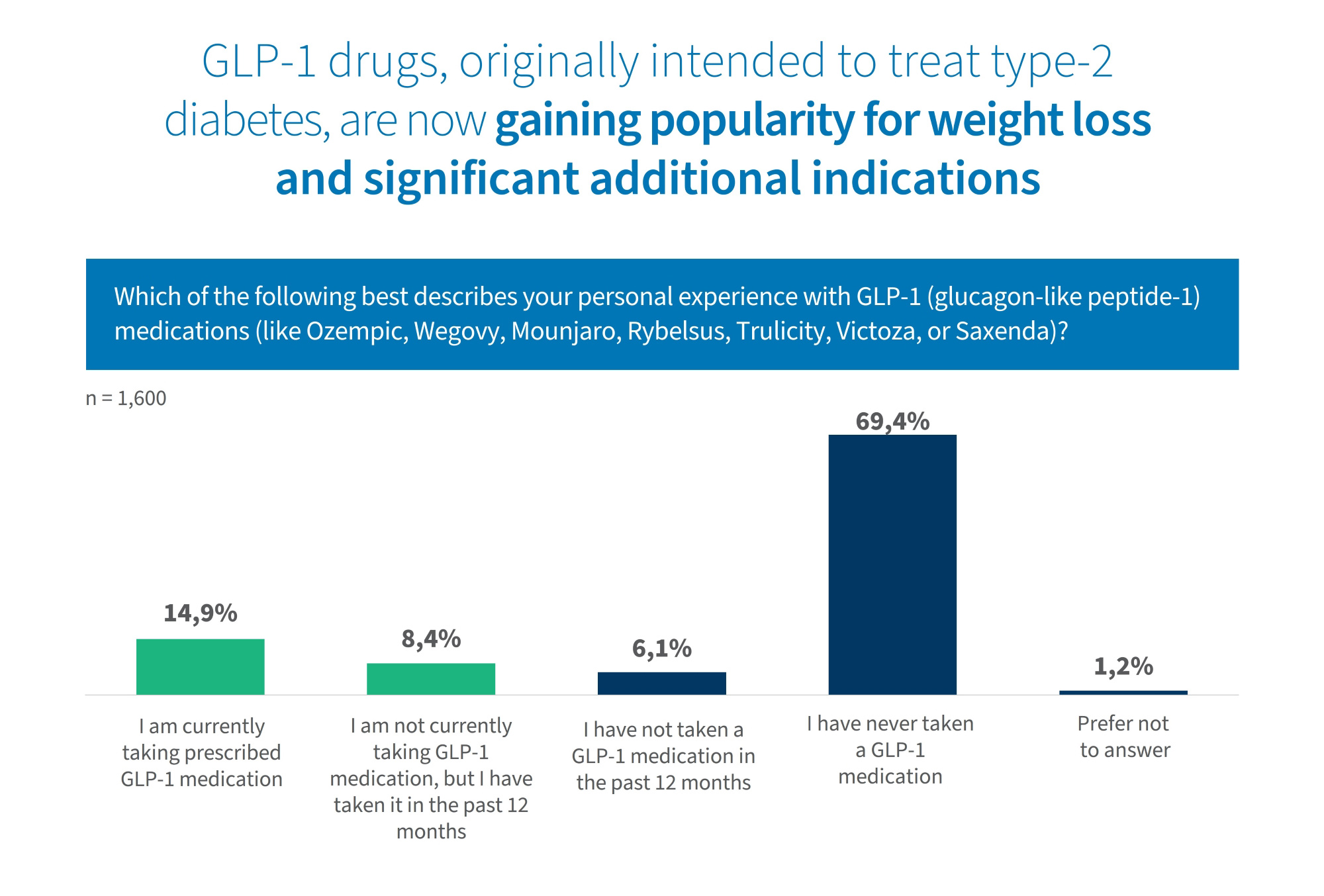
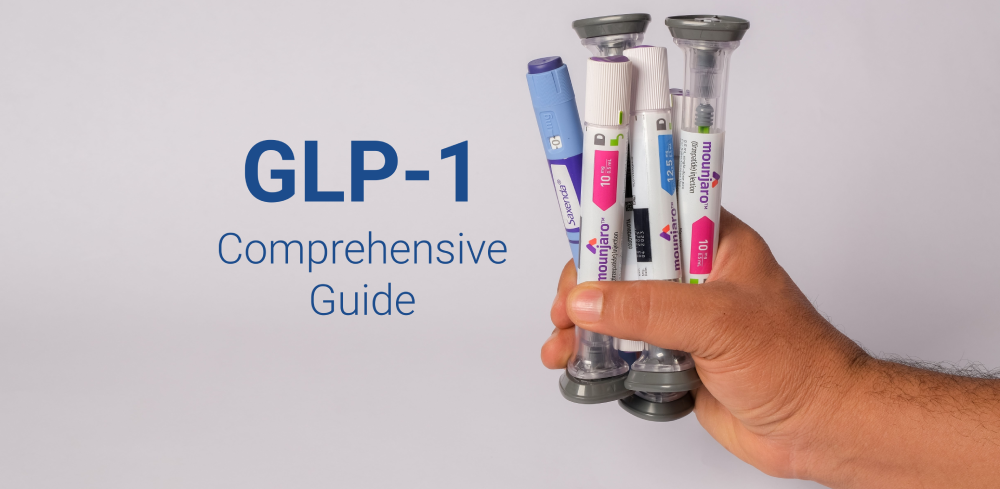

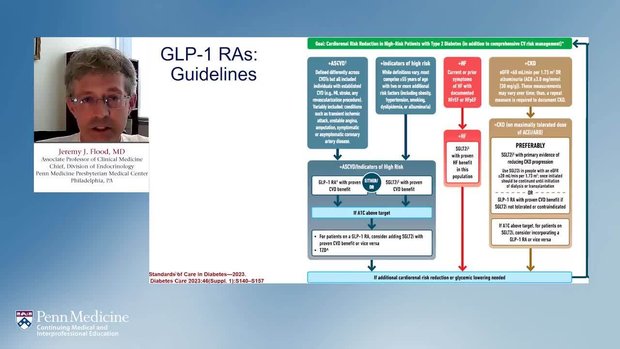
:max_bytes(150000):strip_icc()/VWHealth-what-kind-of-doctors-you-should-see-if-youre-on-GLP-1-2-f706d7ea26584b0d919320e98e9b9ff8.jpg)
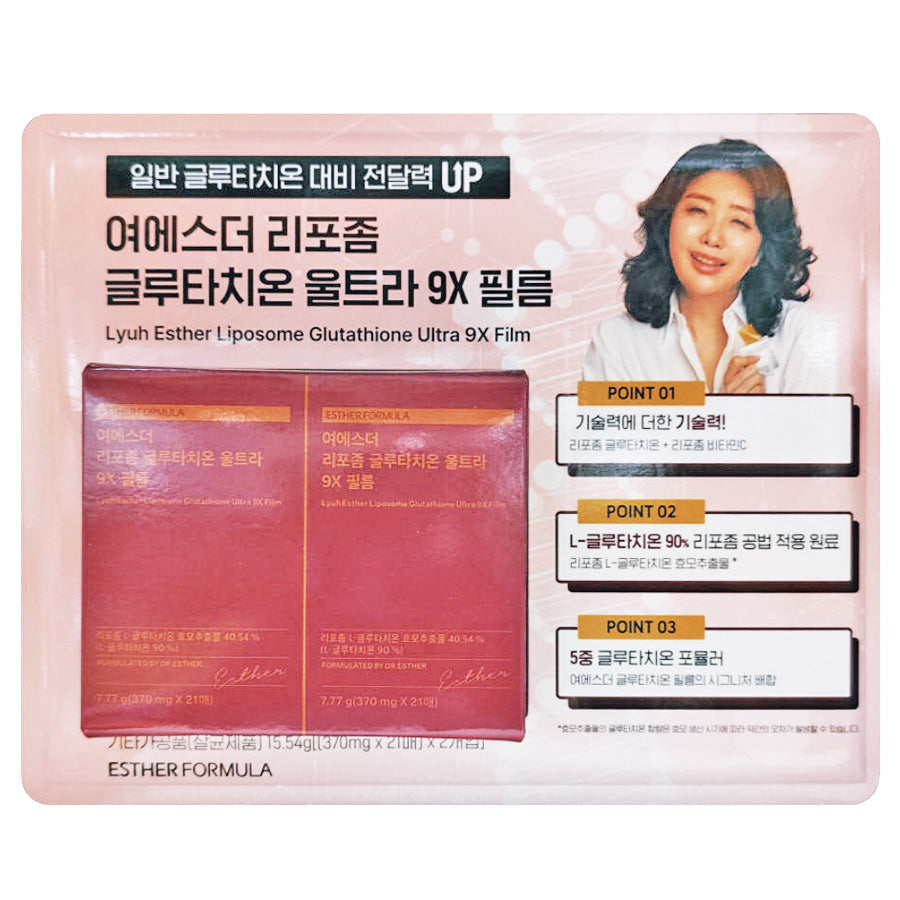
![esther formula glutathione direct film 5x reviews [Esther Formula] Liposome Glutathione Direct Ultra X](https://www.tiktok.com/api/img/?itemId=7514044111360429334&location=0&aid=1988)

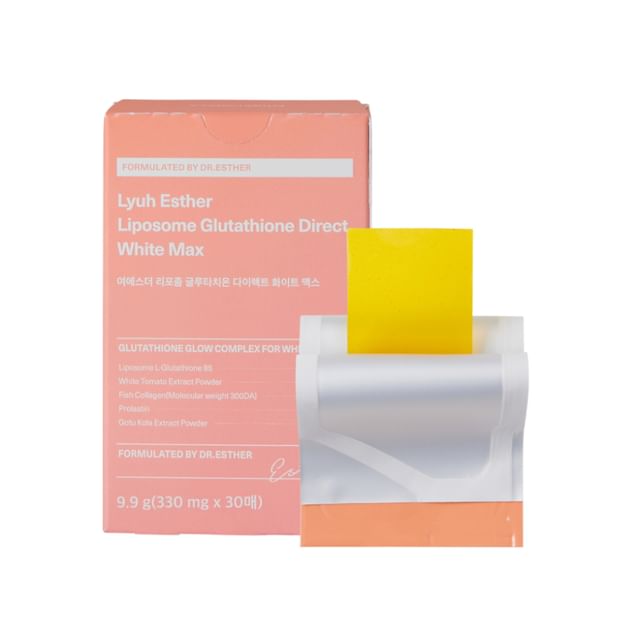
![ESTHER FORMULA] Liposome Glutathione Direct Ultra 9X l Holiholic – HOLIHOLIC](https://holiholic.com/cdn/shop/files/ESTHER_FORMULA_Liposome_Glutathione_Direct_Ultra_9X-Holiholic.jpg?v=1748245132)
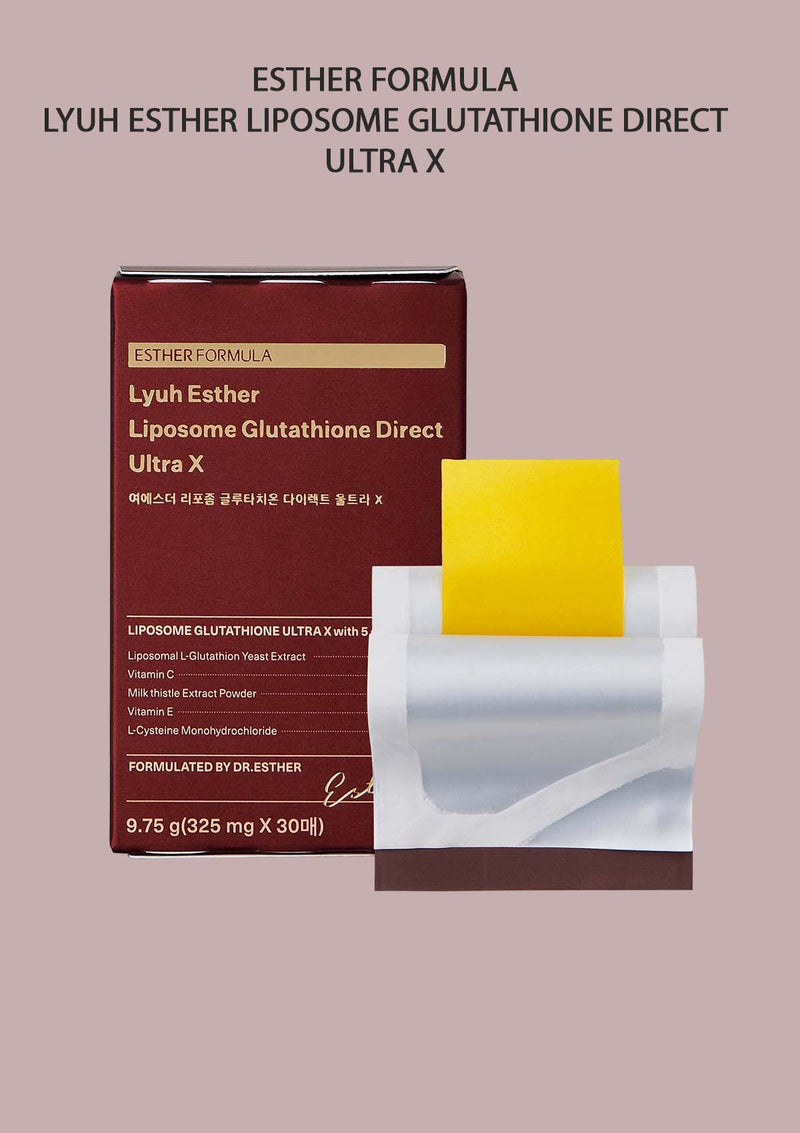
![✨ [ HÀNG HOT TỪ HÀN QUỐC ] 👉 Miếng Tan Glutathione ESTHER FORMULA Glutathione Direct Ultra X [ HÀNG LIMITED] 💰 Giá 2910k sale 70%% #890k 3h x 21 miếng /// #](https://lookaside.fbsbx.com/lookaside/crawler/media/?media_id=1372464371656205)

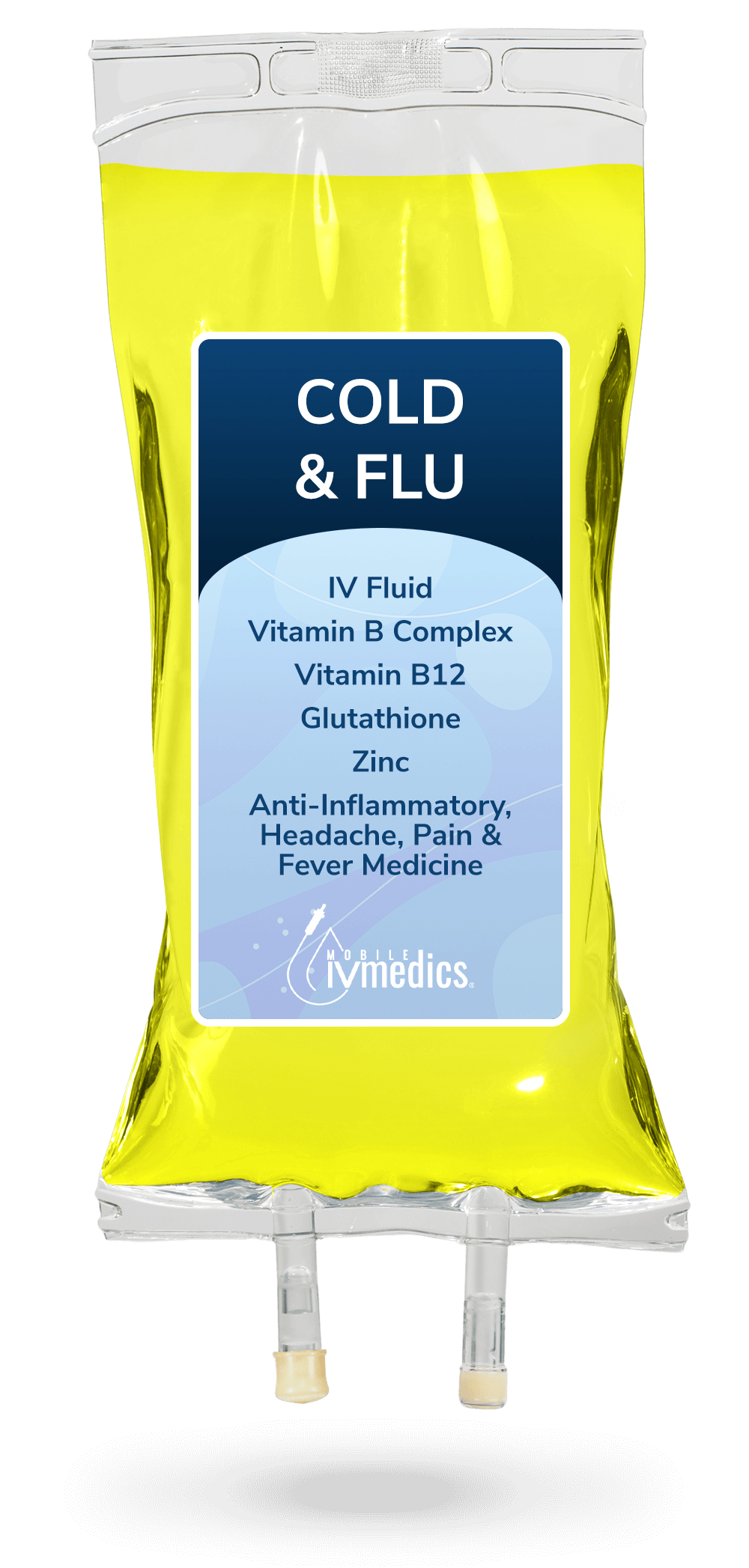


/assets/images/provider/photos/2774234.jpeg)
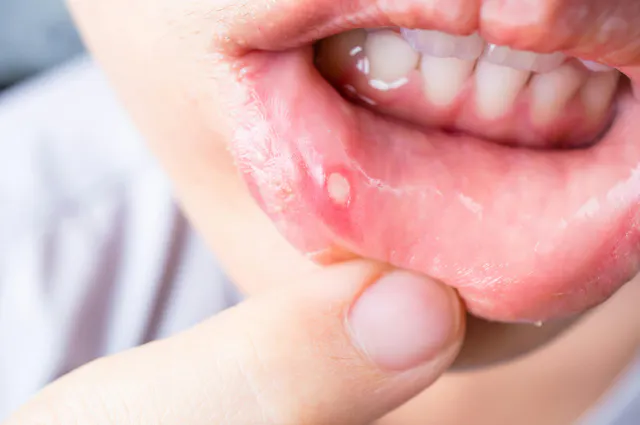




:max_bytes(150000):strip_icc()/benefits-of-glutathione-89457_final-01-502464fe91b2444285b0cccf8cb0a33c.png)