Mudd PA, Crawford JC, Turner JS, Souquette A, Reynolds D, Bender D, et al
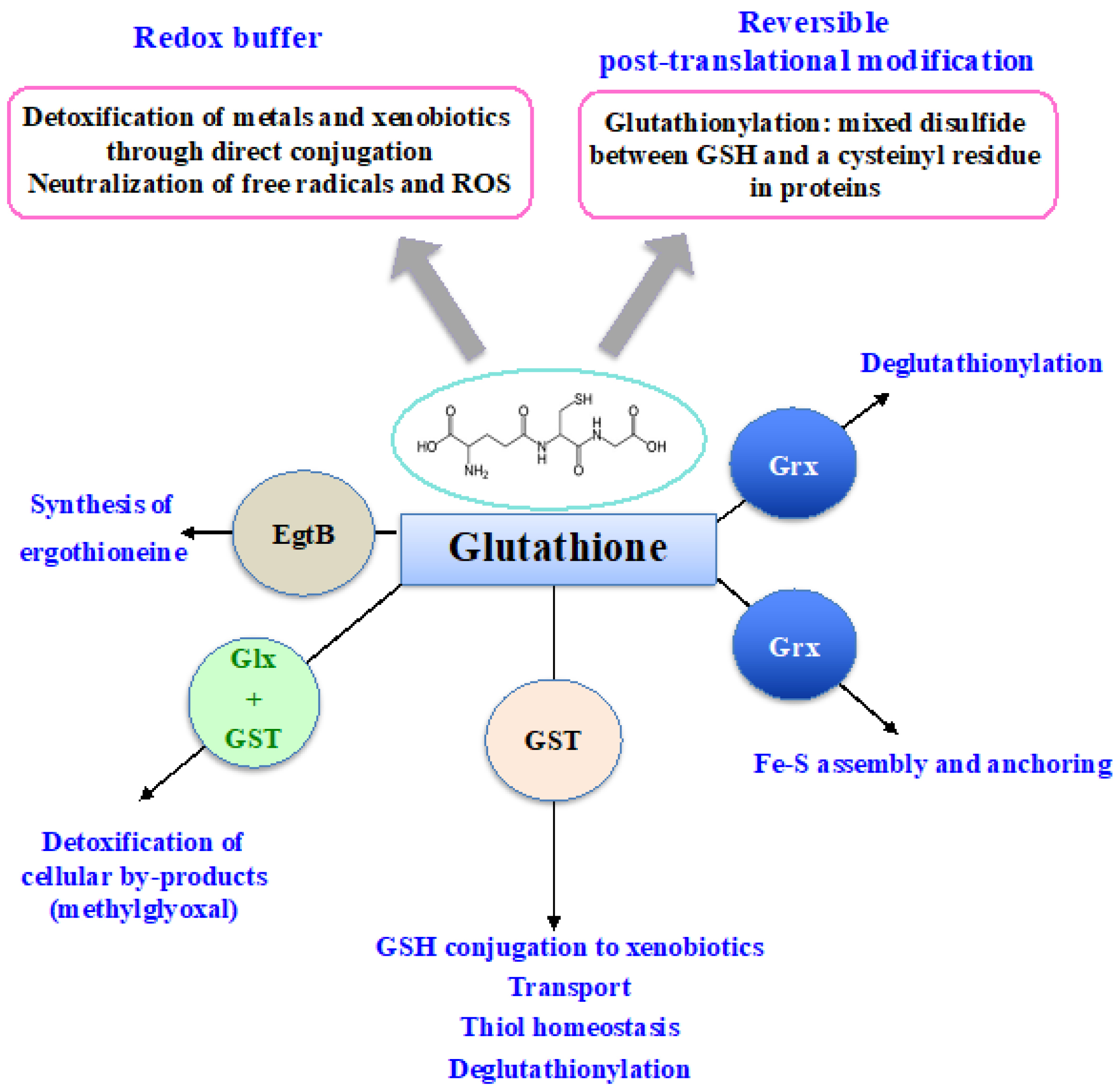
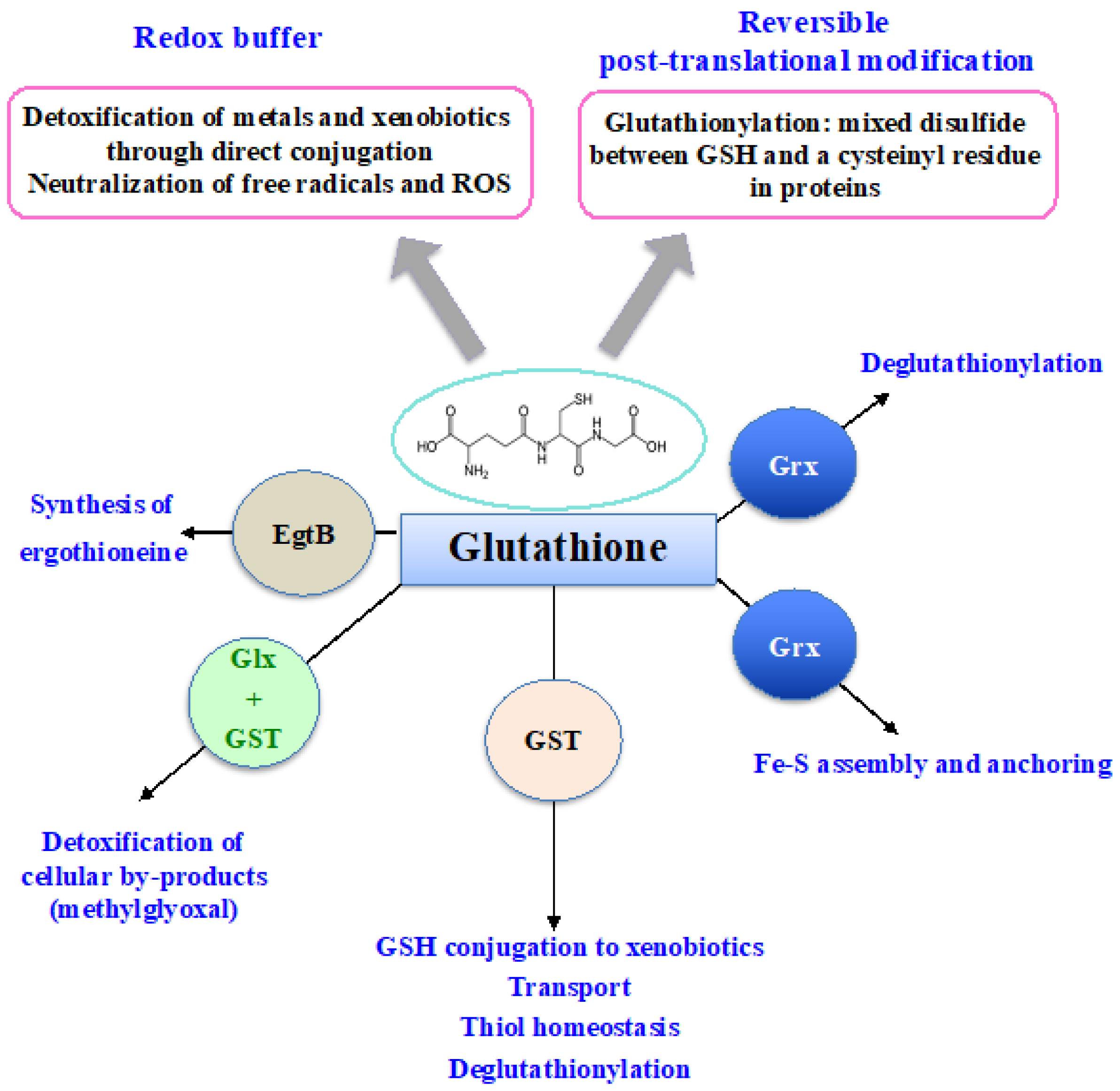
Everyday stress, unfavorable diet, exposure to environmental pollution, medication, infectious diseases and toxins (smoking or alcohol consumption) can also increase the need for glutathione
Retrieved 22 January 2023
The morphologies of lyophilized hydrogels were examined by scanning electron microscopy (SEM, Hitachi S-3400N) at an accelerating voltage of 5 kV
What insurance typically covers FDA-approved peptides for approved indications: Semaglutide (Ozempic) for type 2 diabetes: Often covered Semaglutide (Wegovy) for obesity: Sometimes covered with restrictions Tirzepatide (Mounjaro) for type 2 diabetes: Often covered Tirzepatide (Zepbound) for obesity: Limited coverage What coverage looks like: Prior authorization typically required Documentation of failed dietary interventions BMI thresholds for weight loss indications Co-pays still substantial ($100-500 monthly) What insurance doesn't cover The vast majority of peptide therapy falls outside insurance coverage: Compounded peptides (BPC-157, TB-500, most growth hormone peptides) Anti-aging applications even for FDA-approved drugs Performance enhancement uses Off-label applications These costs are entirely out-of-pocket for most patients