How to incorporate: If youre eating more omega-6 fatty acids (like those found in many types of vegetable oils), you may be suffering from increased inflammation

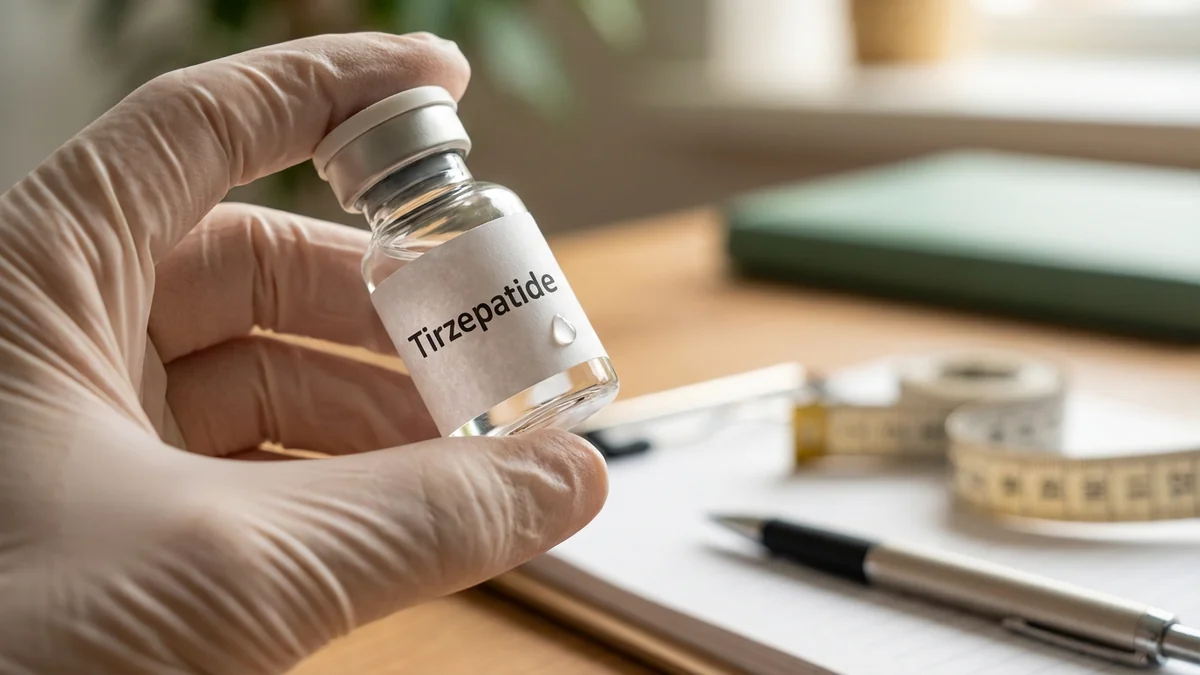
Freezer storage (-20C): maximum shelf life Typical shelf life frozen: Why freezing works: Virtually stops all chemical reactions Prevents bacterial growth completely Minimizes oxidation Maintains dry state Freezer storage best practices: Use standard freezer (-20C or -18C home freezer fine) Keep in original sealed vial Store in box to protect from light Minimize opening freezer (temperature stability) Label with receipt date and peptide name Ultra-freezer (-80C) extends to 5-10 years if available Real-world considerations: Manufacturers often claim 2 years frozen Reality: Most peptides remain 80-90%+ potent at 3-4 years Testing expensive, so conservative dates given Properly stored peptides often good well beyond stated date Refrigerator storage (2-8C): moderate shelf life Typical shelf life refrigerated (unopened powder): When refrigerator storage makes sense: Planning to use within 6-12 months No freezer available Vendor shipped refrigerated (already at this temp) Regular use (accessing frequently) Refrigerator storage tips: Store in back (most stable temperature) Not in door (temperature fluctuates with opening) Keep in sealed vial and box Avoid moisture exposure Label clearly with date and peptide Vendor shipping: Many vendors ship refrigerated with ice packs This is acceptable if received cold Don't refreeze after refrigerated shipping Use within refrigerated timeframe See our peptide storage guide and should copper peptides be refrigerated
Frequently Asked Questions Are vitamin injections right for me
These diseases include but are not limited to: psoriasis, Hashimotos and Graves disease, rheumatoid arthritis, celiac disease, and lupus
Our before-and-after gallery shows real improvements achieved by our clients, including clearer skin, refined contours, and a healthier overall appearance










.png)